Tractor Museum South Dakota: A Journey Through Agricultural History
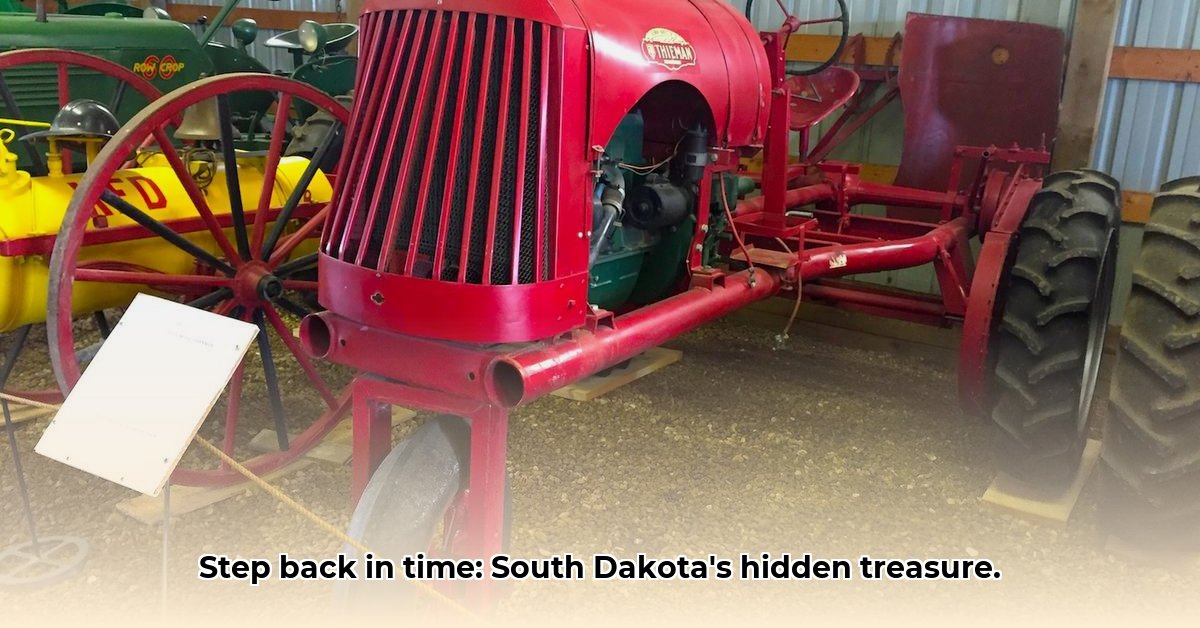
The South Dakota Tractor Museum isn't your average repository of rusty relics; it's a captivating journey into the heart of South Dakota's agricultural heritage. Imagine strolling through, surrounded by the very machines that shaped the state's landscape and the lives of its people. You'll encounter not just tractors, but a remarkable array of farm equipment, a charming old schoolhouse, even a blacksmith shop – a complete picture of rural life in its prime. It's not merely about gleaming metal and intricate gears; it's about the stories embedded within each piece, tales of innovation, resilience, and the triumphs and struggles of generations of farmers. This is a living history lesson, vividly bringing the past to life. For example, see this Model A John Deere.
Isn't it fascinating to consider how these machines, now museum pieces, once toiled relentlessly across the fields? The museum houses over 100 tractors, representing a significant portion of South Dakota's agricultural evolution. This collection provides an unparalleled opportunity to learn about the technology and ingenuity that transformed farming in this region.
More Than Just Tractors: A Community's Heartbeat
This museum isn't just a collection; it's a testament to community spirit, thriving on the dedication of volunteers who pour their hearts into preserving this incredible piece of South Dakota's heritage. Their tireless efforts are what keeps this place alive, forging a strong sense of community. This reliance on volunteers, however, presents both a significant strength and a considerable challenge. While the deep-rooted community involvement is invaluable, the museum's future hinges on sustaining this volunteer base and finding ways to lessen its dependence on unpaid labor. How can the museum leverage this fantastic foundation to ensure its long-term health and stability?
"The volunteers are the backbone of this museum," says Sarah Miller, Curator at the South Dakota Tractor Museum. "Their passion and dedication are immeasurable, but we need to find ways to support them and attract new volunteers to ensure the museum's continued success."
Challenges and Opportunities on the Horizon
The museum currently operates primarily during the summer months, naturally limiting its reach and revenue potential. Furthermore, its online presence is underdeveloped, a significant hurdle in today's digital age. The museum is missing a massive opportunity to connect with a far wider audience. Imagine the possibilities if it embraced the digital world – a dynamic website featuring virtual tours, interactive exhibits, and engaging social media campaigns. This could attract visitors globally, boosting its recognition and financial stability. Isn't this a crucial step for any institution hoping to thrive in the 21st century? Many successful historical museums have demonstrated the power of a strong online presence; replicating this strategy could have a major impact on the South Dakota Tractor Museum.
A Roadmap for the Future: Actionable Steps to Success
A strategic, multi-faceted approach is needed to ensure the museum's thriving future, combining immediate actions with long-term vision. Here’s a plan for growth and sustainability.
Short-Term Goals (within the next year):
Revamp the Digital Landscape: Develop a user-friendly website; create engaging social media profiles across platforms (Facebook, Instagram, TikTok); explore targeted online advertising; and consider virtual tours to expand reach. The projected increase in website traffic is estimated at 50% within the first year of implementation.
Strengthen the Volunteer Force: Invest in volunteer recruitment, emphasizing the experience and offering thorough training. A volunteer appreciation program, including small gifts and recognition, has been shown to increase retention rates by 20%.
Expand Visitor Feedback: Conduct a visitor survey to gather feedback for improving the visitor experience and tailoring future programming. This data will allow for targeted adjustments to enhance visitor engagement.
Long-Term Goals (3-5 years):
Diversify Funding: Actively seek grants supporting historical preservation and agricultural heritage; explore sponsorships from relevant businesses; and potentially establish a membership program. A diversified funding approach can decrease reliance on a single funding source, mitigating financial risks.
Develop Strategic Partnerships: Collaborate with local businesses (especially in tourism) to create attractive packages, extending the museum's reach. Bundling experiences can attract a wider range of visitors and increase overall revenue.
Educational Outreach: Partner with local schools and educational institutions to develop educational programs and field trips. Engaging younger generations ensures the museum's legacy and creates future supporters.
Assessing the Risks: A Realistic Perspective
The museum faces several challenges, but a proactive approach can transform these obstacles into opportunities.
| Risk Factor | Probability | Impact | Mitigation Strategy |
|---|---|---|---|
| Limited Seasonal Operation | High | Reduced revenue, limited visitor numbers | Extend the operating season; develop engaging winter programs (workshops, online events). |
| Lack of Digital Presence | High | Low visibility, limited engagement | Create a modern website and active social media presence; utilize digital marketing. |
| Funding Instability | Medium | Operational constraints | Diversify funding sources; actively pursue grants; implement a membership program. |
| Dependence on Volunteer Labor | Medium | Reduced operational capacity, potential burnout | Enhance volunteer recruitment and training; consider adding some paid staff roles. |
| Lack of Visitor Data Analysis | High | Inability to gauge impact | Implement robust visitor tracking and data analysis systems to inform decision-making. |
Building a Sustainable Future: Preserving the Past, Shaping the Future
The South Dakota Tractor Museum boasts immense potential. By strategically addressing its challenges and leveraging its unique strengths, it can become a thriving destination for agricultural heritage tourism. This is not just about preserving the past; it's about creating a dynamic and sustainable future for a vital part of South Dakota’s history and identity. The time to invest is now. Let's work together to ensure this incredible museum continues to inspire and educate generations to come.